Sunday, 30 September 2012

Fourth findings.


Encyclopedia Britannica 2012, Rhind papyrus, Encyclopedia Britannica, viewed 15th September 2012, <http://www.britannica.com.ezproxy.lib.swin.edu.au/EBchecked/topic/501277/Rhind-papyrus> 


Encyclopedia Britannica 2012, Ebers papyrus, Encyclopedia Britannica, viewed 15th September 2012, <http://www.britannica.com.ezproxy.lib.swin.edu.au/EBchecked/topic/177583/Ebers-papyrus > 

EbersOn to my next results and this week I will be researching the Papyrus scrolls. For this week I will be using the online version of Encyclopaedia Britannica which is a virtual reference tool. You have to buy a subscription to Britannica in order to use it, but I have used the one provided by Swinburne. I had to go to the Swinburne library databases and find the Britannica website link. Once I found it, I could log in with my student ID and freely use Britannica. First I searched 'Papyrus scrolls' and the results came back with a few specific scrolls which are my selections for this week. There are quite a few unrelated results that you sort of have to filter through, but majority were somewhat related.
The items I have chosen from Britannica are two different Papyrus scrolls, I thought choosing specific scrolls would be good because it gives you more of a general understanding about a particular scroll. Britannica offers the user to further investigate different scrolls if you so desire.

Google 2012, papyrus scrolls podcast, Royal Ontario Museum, viewed 18th September 2012, <http://www.rom.on.ca/media/podcasts/display.php?id=77 >

 I also found a podcast of a particular Papyrus scroll, I thought this podcast would be great because it gives you a little bit of a different experience. I used Google to find this podcast, I just searched 'Papyrus scrolls podcast' and it was pretty much the first result that came up. 

So the difficulties this week, I didn't really have many problems again. The only thing I would have to complain about is that Britannica didn't really seem to have a vast range of materials to choose from. So I sort of had to make do with what I found; they were good items though. The podcast was relatively easy to find and it was interesting. 

In conclusion there were a couple of good finds this week. Two good and basic explanations of different scrolls and an interesting podcast about 'the book of the dead' scroll.

  • Week 2 was the website for clay tablets and a YouTube video regarding Gilgamesh tablets.
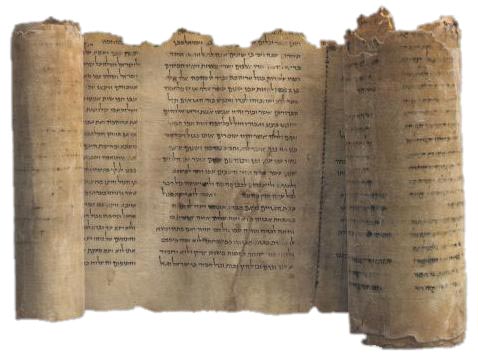
  • Week 3 was the book about The Dead Sea scrolls and a short YouTube video about them.
  •  Week 4 was the subject directory page about the spread of the original alphabet and its adaptation by various peoples around the world. 
  • Week 5 we have the two items from Britannica and the podcast about the book of the dead. 

Sunday, 23 September 2012

Third findings.


G. NS, 2012, What Was the First Alphabet?, About, viewed 
28th August 2012, <http://ancienthistory.about.com/od/language/f/1stalphabet.htm>

Phoenician AlphabetHere we are at week four, this week I will be researching the spread of the original alphabet and its adaptation by various peoples around the world'. I will also be using a different search method called a search directory and the directory I will be using is called About.com. This directory is found online and you can easily access it by typing www.about.com into your browsers search bar or you can simply search for it on Google.com. 

First of all I tried searching for the entire title of the subject as I thought I would try and see if there was anything directly related or on the off chance of having the same title; but it was to no prevail. 
So I thought that I would dumb it down a little and try using some key words. I tried searching for 'the spread of the original alphabet', but again not the best results. I then just searched for the key words 'the original alphabet spread'; this returned a better outcome and I found the page I thought was most appropriate. The page I have chosen is really just some basic information about the first alphabet. I thought this would be a good choice to start off with as people may not know much about the alphabet and it origins to begin with including myself. The directory offers quite a few links to further information about the history and other alphabets for those who wish to satisfy their curiosity.  I also found a YouTube video of how to pronounce the Hebrew alphabet, I thought this is a great video for people like myself who don't exactly know how these letters are pronounced. I firstly went to the YouTube website and typed in the search bar 'the original alphabet'. I found this video a few spaces down and thought it was the perfect selection.

On to the difficulties this week, I would say searching in a subject directory for a relevant page was the biggest issue. I was forced to try a number of key words to find a good result, in the end I did find the right page. The search took a little longer than the previous topics as I had to take more time to search but nothing major. 

In conclusion I feel that I have chosen the right page and video. A basic history of the first alphabet is a great addition to the ancient world of libraries. The video is great as it provides the correct pronunciation of the original letters.


  • Week 2 was the website for clay tablets and a YouTube video regarding Gilgamesh tablets.
  • Week 3 was the book about The Dead Sea scrolls and a short YouTube video about them.
  •  Week 4 we have a subject directory page about the spread of the original alphabet and its adaptation by various peoples around the world. 

Sunday, 16 September 2012

Second findings.

Burrows, M, 1955, The Dead Sea scrolls. With translations by the author, Viking Press, New York


It's now week three and time for my second topic I researched. This time I decided to explore ' The Dead Sea scrolls'. I actually found the title of this topic to be somewhat charismatic as strange as it sounds; I guess that's the main reason why I chose it.
For this subject I wanted to find a book relating to the Dead Sea scrolls as I had done a website in my previous post.
This time I went straight to the State Library of Victoria's website and searched their catalogue. When I searched their database I used these basic keywords; 'Dead Sea scrolls' hoping to get the best return results. I was provided with quite a few items regarding the Dead Sea scrolls, 130 to be exact. So I had a bit of a gander at the results that were sitting there staring at me and in time, I stumbled upon the book that will be ultimately become this week chosen one. 
This book had a title that caught my attention and differed from the others in the herd, it had translations. I thought because of this factor, that this books stands out from the rest. It also offers 435 pages some with maps and illustrations which I thought were a bonus. 

I also found another interesting YouTube video about the Dead Sea scrolls, it's just a short video with a basic description about them and a project that is happening. I used the same key words as I did for the search on the library's catalogue and that returned the best results. I have provided the address of the video and I have embedded it into my blog.
Google, The Dead Sea scrolls online, 23rd September, viewed 2nd September 2012, <http://www.youtube.com/watch?v=5rYj_0foJYA>

This weeks difficulties I would say are only very minor; searching through 130 catalogue results and choosing the best item would probably had to have been the hardest thing this week. It was a good search result and the library's catalogue had ample amount of items relating to the Dead Sea scrolls. As for the YouTube video, the search was quite easy and the first result was the most eye catching. Having such a good outcome means that I did the search in a short amount of time without any problems. All in all not a hard time this week. I still have to have a bit of a peek at the Harvard style reference.

In conclusion, the book I chose is a great addition to these blog posts. Not only is it relevant to the subject, it also provides translations, illustrations and maps. 

  • Week 2 was the website for clay tablets and a YouTube video regarding Gilgamesh tablets.
  • Week 3 we have the book about The Dead Sea scrolls and a short YouTube video about them. 


Wednesday, 29 August 2012

Welcome!


The Ancient World

First of all I have copied and pasted my research brief so the rest of you guys understand a little about my blog.
For this research task I am choosing the topic 'The Ancient World' from 'The history of libraries, books and communication' page, because I think this would be a very interesting area for both the client and myself as I would like to develop my own understanding about this area. In this project I have chosen four subjects to cover and they are; clay tablets as library materials, The Dead Sea Scrolls, the spread of the original alphabet and its adaption by various peoples around the world and Papyrus scrolls as library materials. I have chosen these subjects because I feel that they all relate to one another and it may be beneficial for the researcher and may be of interest to the client encouraging them to use the library more.     

With these four subjects, I intend to cover various research methods that I studied in research skills 1. For each blog post I make I aim to have used a different research method and provide a different item each week whether it be physical or digital, maybe on one week I will do a physical item then the other week a digital item so I can relate to a broader audience. There are many ways to find information and I am going to try to cover most of those methods to show you my research capabilities. I will be using search engines at first which I feel will have the best returns as they are the leading research methods, Google, Yahoo and Bing are the most popular search engines today.  
Monographs and journal titles; I will use various library catalogues, maybe one state library which will be the State Library of Victoria and a couple of public libraries in my council to find a few items. I will also try and provide an even mixture of relevant materials for people who prefer hard copies. I could also try to find some kind of audio or visual item on YouTube to post on my blog but I have a feeling that might be a bit difficult to find.   
I will also use an online ready reference tool such as the Internet Public Library website which I know has a large range of items. Also subject directories such as About.com and virtual references such as Encyclopedia Britannica which I think may be a little more challenging as they have a little less information.   
By using a vast range of search methods, it should provide sufficient information about my chosen subjects and will also allow me to have an ample amount of data for each of my blog posts.  

I have a short statement about me on the home page if any of you are interested. I look forward to reading everyone's posts and I hope you guys enjoy mine as well! 

Sunday, 26 August 2012

First findings.


Nicole Silvester, 2009, Clay tablets as books, glam media, viewed 27th August 2012, <http://suite101.com/article/clay-tablets-can-be-books-too-a155685 > 


The first topic I decided to research is 'clay tablets as library materials'; I firstly did a catalogue search on the State Library of Victoria's website where though it came up with a few results, I didn't feel they were really appropriate and relevant enough for this subject. So I thought the best results would come from a search engine such as a Google search. 
clay tablet in Sumerian, listing the gods of Sumer - ancient Sumerian scribeWhat I did this week is I typed www.google.com into the browsers address bar. Once the page loaded I then searched 'clay tablets as library materials', I tried the heading first to get the best results. 
Firstly it came up with a few websites that didn't really appeal to me for example Wiki, and we all know Wiki isn't really the most reliable source. But a couple of results down was a website that I thought was perfect; it provides a basic description about what clay tablets are and a brief description of their history. I thought providing a website with basic information first was the best thing to do. By doing this I thought it would give an insight about clay tablets to people that are a little less familiar about their history or even what they are. I also chose this as I don't really know much about them myself. 
The website also offers further information about specific clay tablets and relating topics, for those who are interested in further exploring. 

I also found a interesting video off YouTube about 12 clay tablets of Gilgamesh. I first used the same key words I used for my Google search above. The search returned a few videos, but with YouTube you have to siphon through videos that aren't related. Luckly I didn't really have to do that for this search. 

rewilkins2, The Epic of Gilgamesh (1/11), 28th February, viewed 30th August 2012, <http://www.youtube.com/watch?v=pxPhk84TTnw >

I would have to say that the only difficulty I had this week was trying to find a relevant item on the State Library of Victoria's catalogue. Finding a website was quite easy, but I'm sure over the next few weeks I will have a few more difficulties as I try different search methods and different results. My YouTube results were relevant to what I was looking for so finding the right video wasn't too much of a task. As for my research process, I think I did quite well and managed to find a good result in a short amount of time. 
Although when it comes time to find different formats, the process may take a little longer but we'll just have to wait and see. 


In conclusion, I find that the chosen website is perfect for the first finding in my researching blog as it isn't too intense for both the reader and me seeings as I have never done a blog before. 


  • Week 2 we have a website for clay tablets as library materials and a YouTube video regarding Gilgamesh tablets.